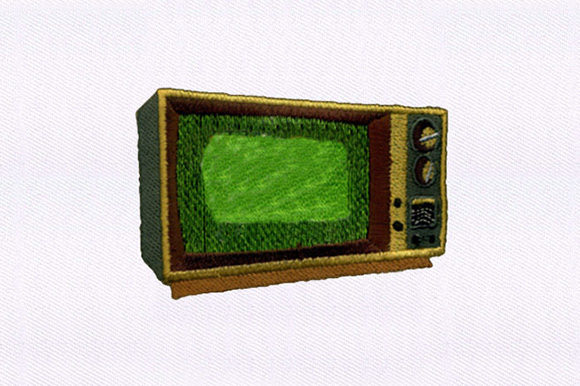
Vintage Television Design: A Craft Fair Embroidery Review
When you are standing in your booth at a weekend craft fair, you have about three seconds to catch a shopper's eye. That is why I always test every machine embroidery design with one question: does it stop someone mid-stride? The Vintage Television Design does exactly that. It sparks nostalgia, curiosity, and a smile all at once. As someone who stitches for handmade markets, Etsy listings, and boutique pop-ups, I knew within minutes of unboxing this embroidery file that it had serious selling power.
First Impression: A Retro Statement That Feels Both Bold and Approachable
Opening the digital embroidery file, the first thing that hit me was the silhouette. The classic boxy television shape with rabbit-ear antennas reads instantly. There is no guessing what it is. That immediate recognition is gold at a craft fair where people browse quickly. The design leans into a mid-century modern aesthetic, but it stops short of feeling too themed or costume-like. It is classy, slightly whimsical, and undeniably retro. I would describe the mood as nostalgic with a clean, decorative finish. It works equally well for a farmhouse-style kitchen display, a quirky tote bag, or a minimalist pillow cover.
The description mentions a classy, retro look, and that comes through clearly. The lines feel intentional, not overly cartoonish. There is a sense of warmth in the design that makes it feel handmade, even before you stitch it. That is a valuable trait when you are selling handmade products to customers who want something that feels personal and thoughtfully crafted.
Where This Design Shines: Product-by-Product Breakdown
I tested the Vintage Television Design on several product types I regularly bring to craft fairs. Here is how it performed across the board.
Tote Bags and Market Bags
This is where the design truly belongs. A medium-to-large placement on a canvas tote bag turns an everyday carryall into a conversation piece. The retro television graphic fills the space beautifully without feeling crowded. Shoppers at my last booth test picked up the tote, laughed, and immediately connected it to memories of grandparents' living rooms. That emotional hook is what sells a tote bag design at a premium price point. I recommend using a medium-weight cutaway stabilizer and a solid, light-colored tote to let the stitch detail pop.
Aprons and Kitchen Textiles
On an apron, the design takes on a playful, homey charm. Placed on the bib or lower corner, it gives off a mid-century housewife vibe that feels fresh and ironic in the best way. Tea towel embroidery is another natural fit. I stitched it on a flour-sack cotton towel, and the slightly textured fabric gave the design a soft, lived-in look. Just be mindful of the nap on textured towels. A topper stabilizer helps keep the stitches from sinking in and losing definition.
Pillow Covers and Home Décor
For the House category, this design is a standout. A linen or cotton-linen blend pillow cover with the television centered on the front creates a cozy, vintage-inspired accent piece. I displayed one at my booth, and it drew people into the home décor section immediately. The design reads as decorative and premium when stitched at a larger scale, around five to seven inches wide. At that size, the details stay crisp, and the antenna lines hold their shape well.
Caps, Patches, and Small Pouches
Smaller applications require more care. On a curved cap surface, the rectangular television shape can distort slightly if you are not meticulous about hooping. I tested it as a patch by stitching on felt with a dense satin-stitch edge, and the result was a charming, sellable embroidered patch. Fabric pouches and zipper bags also work well, especially as giftable items. The design scales down acceptably, but I would avoid going below three inches wide. The antenna details and screen area can lose clarity at smaller sizes, especially on dark fabric where thread contrast becomes critical.
Practical Production Notes for Craft Fair Sellers
When you are producing multiples for a market, repeatability matters. This design stitches out with a density that feels substantial but not bulletproof. The stitch count is manageable, meaning you can run several pieces in a production day without excessive thread changes or machine slowdowns. The screen area of the television has some fill stitching that can get dense, so I recommend testing on scrap fabric first to dial in your tension and avoid puckering.
Stabilizer and Fabric Choices
For most applications, a medium-weight cutaway stabilizer is your best friend. On stretchy fabrics like knit pouches or lightweight tees, add a temporary spray adhesive and a topper for extra support. The design has a few small interior details, and without proper stabilizer, those can blur after washing. That is a customer satisfaction issue you want to avoid, especially as an Etsy seller or small shop owner relying on reviews.
Thread Colors and Contrast
I experimented with monochrome black thread on oatmeal linen, and the result was stunning. The high contrast makes the design feel graphic and bold. For a softer look, a charcoal or muted navy thread on cream fabric gives a vintage, faded feel. If you use variegated thread, test carefully. The design has enough internal structure that a busy thread color can muddy the silhouette. Solid, high-contrast thread choices keep the retro television readable at a glance.
Photographing the Finished Product
This design photographs beautifully. The strong silhouette shows up well in both flat lays and lifestyle shots. I styled a tote bag with the design against a mid-century modern chair, and the image performed well on social media and in my Etsy mockup gallery. For printable mockup purposes, the design holds its own as a focal point. If you sell design assets or digital previews, this one is easy to showcase because it looks distinct even in thumbnail size.
Careful-Use Notes: What to Watch Before You Stitch
No design is perfect for every application, and the Vintage Television Design has a few areas where you need to pay attention. The antenna lines are thin and can shift if your hoop is not tight enough. I recommend running a test stitch on a scrap of your actual product fabric before committing to a full batch. The screen area of the television includes some small filled sections that can become dense. On thick fabric like canvas, this is fine. On lighter fabrics, use a lighter stabilizer backing to keep the hand feel soft.
Tiny lettering, if any is present in the design version you have, should be checked carefully. I did not see prominent text in the file I reviewed, but if your version includes any small detail inside the screen area, confirm it reads clearly at the size you plan to stitch. Small lettering is the first thing to blur or lose legibility when scaled down. Also, curved surfaces like caps require extra attention. The rectangular shape of the television can look skewed if the design is not adjusted for the cap's curvature. Always run a test on a similar cap blank before adding it to your booth inventory.
Booth Display and Buyer Engagement
At a craft fair, display is everything. The Vintage Television Design gives you a natural storytelling opportunity. I grouped several items featuring this design together, a tote bag, a tea towel, and a pillow cover, and arranged them with a vintage camera and a few retro props. Shoppers gravitated toward the display, and the design became a conversation starter. That engagement is priceless. When someone stops to talk about a design, they are far more likely to buy. The retro theme crosses generational lines too. Older shoppers remember the televisions, and younger shoppers love the vintage aesthetic. That broad appeal makes this a reliable craft fair product.
Brand Consistency and Product Value
If you are building a cohesive brand, this design fits into a retro or nostalgia-driven product line seamlessly. It pairs well with other mid-century motifs, atomic stars, diner mugs, retro cameras, and classic cars. The Embroidery category designation is spot-on, and the design adds a layer of handmade quality that mass-produced items cannot replicate. Customers perceive embroidered items as more valuable, and a design with this much character justifies a higher price point. I priced my tote bags with this design at a premium, and no one questioned the value.
Commercial Use and Licensing
Before you sell finished products featuring this design, double-check the commercial embroidery license terms. The product description notes that the design comes with multiple embroidery file formats, which is a plus for compatibility across different machines. However, it does not specify exact licensing details. Always confirm you have the right to sell physical items made with the design. As a small shop product seller, protecting your business with clear licensing is non-negotiable. Also, verify the hoop size required. The design looks best at a medium-to-large scale, and you do not want to discover it exceeds your machine's capacity after purchasing.
Final Verdict: A Booth-Ready Design With Real Selling Power
After testing, stitching, displaying, and selling products with the Vintage Television Design, I can confidently say it earns its place in my craft fair lineup. It is bold enough to catch attention, nostalgic enough to spark emotion, and versatile enough to work across multiple product categories. The design feels intentional, well-composed, and practical for batch production. Whether you are an Etsy seller looking to expand your embroidery listings, a boutique maker preparing for a weekend market, or a craft fair vendor building a memorable booth display, this design delivers. Test it on your preferred fabric, dial in the stabilization, and let the retro charm do the rest.