A Real-World Review of the Wooden House Lineart Embroidery Design
The Warm, Minimalist Mood of This Wooden House
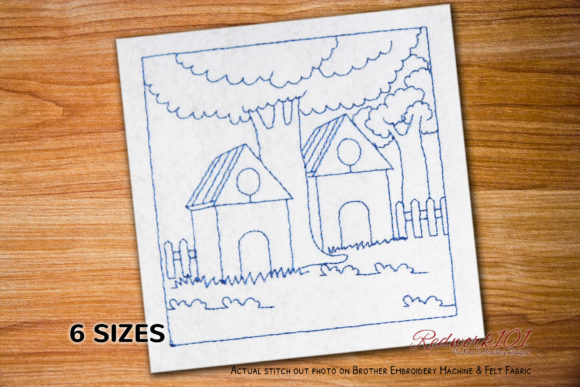
My first reaction to the Wooden House Lineart design was a sense of calm, crafted warmth. It’s not a fussy, overly detailed architectural rendering. Instead, it’s a clean, line-art interpretation of a classic house shape. The personality here is cozy and understated. It evokes handmade charm without shouting it. This makes it exceptionally versatile. The mood it creates is one of quiet domesticity and craftsmanship—perfect for projects meant to feel personal, artisanal, and thoughtfully made, rather than mass-produced.
This design naturally belongs to a category of embroidery projects that benefit from visual clarity and emotional resonance. It’s an ideal candidate for custom apparel meant as a personal statement, like a well-loved sweatshirt, or for handmade gifts where the imagery itself conveys a message of home, comfort, and care.
Where This Design Shines in Your Real Projects
Let’s talk about application. I immediately pictured this Wooden House Lineart stitched onto a high-quality canvas tote bag. It would sit perfectly in the center, a simple declaration of “home is where the heart is” for someone carrying their daily essentials. The line-based nature of the design means it won’t become a heavy, dense patch of stitches that stiffens the fabric—a crucial consideration for functional items like tote bags, aprons, or tea towels.
For baby clothes or nursery decor, it’s a gentle, sweet motif. Stitched in a soft thread color on a blanket or a little bib, it avoids the busyness that can overwhelm small items. On caps or hats, its relatively compact shape (assuming you check the specific sizing) should adapt well to the curved surface, provided the stitch density is managed correctly. As an embroidered patch, it would be beautifully recognizable and could be applied to anything from a backpack to a pillow cover, enhancing the handmade presentation and perceived value of the final product.
For small business merchandise, this is a strong asset. An Etsy seller offering personalized kitchen towels or a boutique creating branded pillow covers could use this design to build brand consistency. It’s graphic enough to be memorable yet simple enough to not date quickly. In holiday or wedding gift contexts, like an embroidered pillow cover for a new home, its thematic relevance directly boosts its giftability. Customers react to clear, heartfelt imagery, and this design provides that without unnecessary complexity.
A Note on Commercial Use and Digital Assets
For digital product sellers and those creating commercial embroidery projects, the clean lines make this design excellent for printable mockups and digital previews. Its visual appeal translates well to online listings, helping with buyer engagement. However, the fundamental rule applies: always confirm the licensing terms before selling finished items or including the file itself in any commercial digital product bundle. This is a non-negotiable step for professional operation and customer trust.
Practical Pitfalls and Where to Be Cautious
While the Wooden House Lineart is versatile, its successful application depends on thoughtful execution. The optional outer box stitch mentioned in the description is a key point. On textured fabrics like some linens or sweater knits, very fine lines or small corners can get lost or look broken. On dark fabric backgrounds, you must carefully select thread colors with high contrast to maintain that clean line-art clarity. A pale grey or cream thread on a black sweatshirt could look stunning; a low-contrast choice might render the design invisible.
Small hoop sizes might force a very tiny version of the design. Inspect the small details in your embroidery file preview. If the house shape becomes minuscule, some of the intended charm might be lost. On stretchy fabrics like t-shirts, using appropriate stabilizer is paramount to prevent puckering and distortion of those clean lines. For products destined for frequent washing, like kitchen towels or baby items, consider a robust fill stitch for the main lines if the design uses running stitch, to ensure longevity.
Also, consider the application surface. Embroidering this onto a layered garment like a collar or a curved cap peak requires extra attention to hooping and stabilization to keep the perspective correct. The design’s strength is its simplicity, so distorting that shape on a tricky surface would undermine its visual appeal.
Essential Designer Notes Before You Stitch
Before committing this Wooden House Lineart to a client project or a batch of craft fair products, run through this practical checklist.
First, always test on scrap fabric. Use the same fabric and stabilizer combination you plan for the final product. This reveals how the stitch density behaves and whether any small elements need adjustment.
Second, check thread color contrast not just on screen, but with actual thread spools against your final fabric. What looks good digitally might not translate in thread.
Third, review the design in black and white mockups on both light and dark backgrounds. This helps judge its form independently of color, ensuring the shape holds its own.
Fourth, confirm the hoop size requirement from the actual embroidery file information. Do not assume. Matching the design size to your intended product size is critical.
Finally, inspect the design file itself for the stitch types used. Is it primarily running stitch, satin stitch outlines, or fill stitch areas? Understanding this helps you choose the right materials and anticipate how it will feel on the final fabric. A design heavy with satin stitch will be more raised and textural; one with running stitch will be flatter and more integrated with the fabric.
The Final Take: A Trustworthy, Adaptable Design Asset
In my judgment as a designer reviewing assets for real use, the Wooden House Lineart is a practical and emotionally resonant embroidery design. It offers a high degree of adaptability across a wide range of projects from personalized gifts to small shop merchandise. Its value lies in its clear theme and execution, which supports professionalism in your finished work. It avoids the trap of being so overly detailed that it becomes a technical headache, or so vague that it lacks impact.
By following the fundamental best practices—testing, checking licensing, and matching the design to your product’s physical constraints—you can turn this Wooden House Lineart into a reliable, repeatable asset for your embroidery work. It’s a design that, when stitched thoughtfully, looks exactly as intended: a quiet, crafted emblem of home.