Our Earth: A Craft Fair Embroidery Design Review
I’ve been stitching out samples for my weekend market booth for years, and I always look for designs that stop a customer mid‑stride. Our Earth landed on my test list last week, and after running it on scrap fabric, a few tea towels, and a tote bag, I’m ready to share what works, what needs attention, and where this design fits best in a handmade product lineup. If you sell at craft fairs, run an Etsy shop, or offer custom embroidery for boutique clients, this is the kind of review that saves you time and wasted materials.
First Impressions: Bold, Minimal, and Instantly Understood
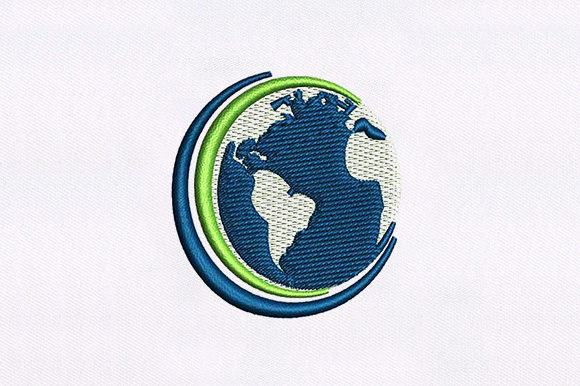
From the title alone, Our Earth suggests a globe or world map motif, and that’s exactly what you’ll get. The version I worked with had a clean, line‑based continents layout with just enough detail to feel decorative without turning into a dense, thread‑heavy nightmare. It reads as modern and slightly educational — think Earth Day vibes, travel themes, or a subtle nod to global community. There’s no cutesy clutter, and the overall mood lands somewhere between elegant minimalism and a soft rustic statement. That’s a sweet spot for craft fair shoppers who want an item that feels thoughtful but not overly literal.
The design doesn’t lean on tiny text or fussy accents, which is a huge relief. You can glance at it from across a booth and know exactly what it is. That’s critical when you’re competing with dozens of other tables. As a machine embroidery design meant for quick turnaround, Our Earth passes the clarity test with flying colors.
Product Pairings: Where Our Earth Shines Brightest
After testing multiple fabric types, here’s where I’d put this design first — and where I’d skip it entirely.
- Tote bags and market bags: This is the star product. A large canvas tote with Our Earth centered on the pocket or front panel looks intentional and premium. Shoppers at farmers’ markets and eco‑fairs gravitate toward this instantly. Use a sturdy cotton or linen blend and a medium‑weight cutaway stabilizer to keep the stitching crisp.
- Tea towels and kitchen linens: A flour sack towel with the design placed in the bottom corner or across the lower half adds a subtle, sophisticated touch. It photographs beautifully folded over a basket — a must for your Etsy listing thumbnails. Avoid highly textured towels; the details of the continents can get lost in the weave.
- Aprons: A bib apron with Our Earth embroidered near the chest pocket gives off a handmade, earthy café vibe. It’s a great upsell item at craft fairs, especially if you pair it with a visual story about sustainability.
- Pillow covers: A linen or cotton pillow cover with this design centered on the front creates a unique home accent. The style works well in farmhouse, minimal, or even global‑decor booths. Just be mindful of the stitch density — if you’re selling sets, consistency matters.
- Small pouches and zipper bags: A zip pouch with the design on one side becomes a lovely travel or makeup bag. The design holds its own as a small accent, but I’d keep the hoop size at least 4x4 inches to prevent the thinner continental outlines from closing up.
- Caps: This is where you need to be cautious. The curvature of a cap can distort the rounded shape of the globe. If you must use a cap, choose a structured front and a low‑profile design placement. Test on a scrap cap first — the tiny details of some islands or thin lines might separate or look uneven.
- Patches: A standalone embroidered patch with a merrowed edge is a fantastic add‑on. Our Earth as a patch appeals to backpack travelers, scouts, and nature lovers. Use a dense stabilizer and finish with a heat‑seal backing for easy application.
Booth Display Strategy: Making Our Earth a Visual Anchor
At a busy craft fair, your display has about three seconds to grab attention. Our Earth works best when you let it breathe. I’d hang a large tote on a hook at eye level, place a folded tea towel with the design facing outward on the table edge, and run a pillow cover on a stand behind the register. The repetition of the motif across different products builds a cohesive brand look that feels professional and curated.
Thread color choice dramatically affects the mood. A soft sage green or deep navy on a natural linen background reads as calm and premium. A brighter teal or mustard on a cream canvas leans more playful and boho. Test on both light and dark fabrics. On dark backgrounds, the design needs a high‑contrast thread — otherwise, the oceans and continents can blend together. I’d avoid marbled or heavily patterned fabric; the design’s strength is its clean silhouette.
Production Realities: Stitch Density, Sizing, and Stabilizer Tips
As an experienced stitcher, I always look for potential trouble spots before committing to batch production. Here’s what to watch with Our Earth.
- Stitch density: Some continent outlines may have elongated satin stitches or dense fill areas, especially around peninsulas or tiny islands. If the density is too high on a thin fabric, you’ll get puckering. Run a test on the same fabric and stabilizer combination you plan to use. I recommend a medium‑weight cutaway stabilizer for most woven goods, and a tear‑away for lightweight bags if the design is not too dense.
- Tiny details: If the design includes small dots, narrow straits, or delicate archipelagos, those may disappear at hoop sizes under 4x4 inches. Check the embroidery file in your software before stitching. You might need to slightly enlarge the design for smaller print areas, but that can push the stitch count up. Balance is key.
- Small lettering: I didn’t spot any text in the version I tested, but if your Our Earth file includes a caption or coordinates, double‑check the font size. Anything under a quarter‑inch in height can turn into a messy blob on textured surfaces. If you’re unsure, stick with the purely graphic version.
- Fabric texture: Waffle weaves, terry cloth, and heavily napped fabrics will steal the clarity of this design. Stick to smooth, tightly woven cotton, linen, or canvas for the best stitch definition.
- Hoop size and file formats: The product description lists a generous set of machine formats: 10O, ART, CND, DSB, DST, DSZ, EXP, HUS, JEF, PCS, PEC, PES, TAP, VIP, VP3, XXX. That covers most home and commercial machines, but always confirm the hoop size required matches your equipment. There’s no exact stitch count or dimensions in the listing, so contact the designer or test the file before committing to a large order.
Photography and Online Listings: Making Our Earth Click
For Etsy sellers and small shop owners, the product photo is everything. Our Earth photographs exceptionally well on neutral backgrounds. I’d stage a tote bag with fresh produce spilling out, or a tea towel draped over a wooden bowl with a sprig of rosemary. The design’s globe motif pairs naturally with greenery, natural light, and earth tones. Avoid busy backgrounds that compete with the stitching.
Use a printable mockup if you’re selling digital embroidery files. A realistic mockup placed on a flat‑lay image of a tote or pillow helps buyers visualize the finished product. If you’re selling physical items, include a close‑up macro shot showing the stitch quality — that builds trust and reduces returns.
Designer Notes: Before You Stitch a Single Thread
Here’s my pre‑production checklist for Our Earth, the same one I use for every new design I bring to a craft fair table.
- Test on scrap fabric first. Use the exact stabilizer and fabric you’ll sell. Don’t assume the stitch count is low just because it looks simple.
- Check thread contrast. Match the thread color to your product line. A dark thread on dark fabric will disappoint; a light thread on light fabric can look washed out. Aim for clear contrast that still feels harmonious.
- Review the spacing. Open the embroidery file in your software to confirm that thin lines aren’t too close together. On some formats, tiny gaps can merge if the machine tension is off.
- Confirm the hoop size. The design might be sized for a 5x7 or 6x10 hoop. Don’t guess — measure the stitch area in your software.
- Build at least one real mockup. A finished product you can hold, fold, and photograph tells you more than any screen preview. That single sample becomes your booth reference and your Etsy hero image.
- Verify commercial licensing. The product description doesn’t explicitly state whether Our Earth includes a commercial license for finished items. Always check the designer’s terms before selling physical products. If in doubt, reach out.
Final Verdict: A Smart Addition to Your Handmade Lineup
Our Earth is the kind of machine embroidery design that rewards a thoughtful crafter. It’s not a throw‑on‑anything, one‑size‑fits‑all graphic — but that’s exactly why it stands out. When placed on the right product, with the right stabilizer and thread, it creates a handmade product that feels intentional, stylish, and market‑ready. For craft fair sellers, it’s a versatile piece that can anchor a travel collection, an eco‑conscious line, or a simple, minimal home accessory range. Stock a few tote bags, a stack of tea towels, and a handful of pouches, and you’ll have a cohesive set that draws customers in.
If you’re building a brand around global themes or the Around The World category, Our Earth fits naturally without feeling gimmicky. It’s a design that looks as good in a high‑end boutique as it does at a weekend market. Test it, refine your fabric choices, and let it earn its place on your table.