Musician Playing Tuba: A Redwork Embroidery Design Review
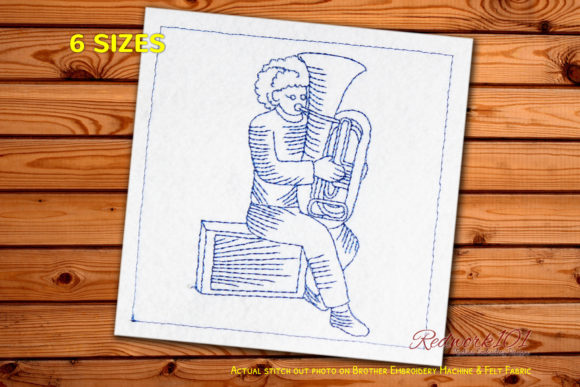
As someone who stitches designs for clients and my own shop regularly, I approach every new embroidery file with a practical eye. Today, I’m looking at the Musician is Playing Tuba Redwork design. My immediate impression is that this design has a charming, vintage personality. The redwork style, typically defined by a single color outline, lends a classic, illustrative feel perfect for storytelling through thread.
Where This Design Finds Its Natural Home
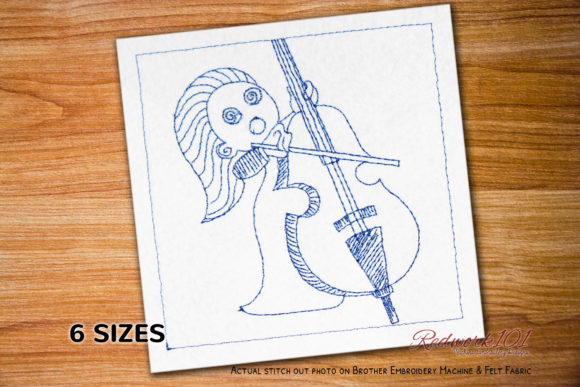
The theme is wonderfully specific—it’s not just “music,” it’s a tuba player in action. This creates a mood of dedicated passion and joyful performance. It feels nostalgic and artistic. I can instantly envision this design on a gift for a music teacher, a band member, or a jazz enthusiast. The shape is contained and balanced, making it a fantastic candidate for centered placement on a pillow cover or the front of a tote bag.
For a real-life scenario, imagine a client requests a personalized gift for their father, a retired tuba player. This design on a high-quality tea towel or a denim apron becomes a meaningful, usable heirloom. For small business owners, like Etsy sellers specializing in musician-themed merchandise, this is a ready-made design asset. It could elevate a simple sweatshirt into a niche product with strong recognition.
Performance Across Real Embroidery Projects
In practical use, redwork designs like Musician is Playing Tuba Redwork generally perform well because they rely on clean outlines rather than dense fill areas. This means less stitch density, which is a friendlier experience on a variety of fabrics.
For custom apparel, such as t-shirts or polo shirts, this design should stitch cleanly with proper stabilizer. On baby clothes or delicate blankets, its lighter stitching won’t overwhelm the fabric texture. As an embroidered patch, it would be crisp and legible. For home decor like pillow covers or nursery decor for a musical family, it adds a soft, handmade touch without being overly bold.
I find it particularly suitable for holiday gifts or wedding gifts for that special music-loving couple. The classic redwork style often feels timeless and tasteful. When used in printable mockups for a digital product seller, this design has clear lines that will show well in previews, helping with buyer engagement.
Considerations for a Professional Finish
However, a professional designer always considers where a design might need careful handling. The optional box stitch mentioned in the description is a key note. I would almost always skip it unless the box is integral to the composition; a different-colored outline can distract from the charming central figure. This decision immediately cleans up the final product.
On small hoop sizes, the details of the musician and instrument must be inspected. Tiny details, like the fingers on the tuba or the facial expression, need to stitch clearly to maintain the design’s character. On textured or stretchy fabrics like certain sweatshirt materials, using the correct stabilizer is paramount to keep those running stitches smooth.
Dark fabric backgrounds require thought on thread color contrast. While traditional redwork is often red thread, you might consider a bright white or gold for a modern twist on a dark garment. On curved surfaces like caps, the design’s compact shape is advantageous, but you must ensure the layout doesn’t place critical details on the seam where stitching clarity could be lost.
The Impact on Your Craft Business
Using a design like this effectively affects more than just the stitch quality. For a handmade presentation, a well-executed redwork piece speaks to skill and attention to detail. It feels artisan. This builds customer trust and can enhance the perceived value of your product, whether it’s a custom apparel order or a ready-made item in your small shop.
For brand consistency, if your craft business leans towards classic, illustrative, or music-themed products, this embroidery file fits seamlessly into that collection. Its giftability is high due to its personal theme. For commercial embroidery projects, such as a series of tote bags for a local music school, it offers a professional, cohesive look.
Practical Notes Before You Hoop the Fabric
My standard practice before any real project is to test the design on scrap fabric of the same type I plan to use. This is non-negotiable. Check the thread color contrast against your final background. Review the stitch density by running the file; redwork should feel light.
Confirm the hoop size needed to capture all details without crowding. Inspect the small details in your test run—are the lines of the tuba distinct? It’s also wise to test the design in a black and white mockup to see how it reads as pure shape, and compare how it looks on both light and dark fabric backgrounds digitally before stitching.
Always, always use proper stabilizer suited to your base material. Finally, a crucial step for any designer selling finished items or digital products: check the specific licensing of this Musician is Playing Tuba Redwork design. Confirm it is cleared for both personal and commercial projects if that is your intent. Never assume.
In summary, the Musician is Playing Tuba Redwork design is a charming, niche asset with strong application in personalized gifts and themed merchandise. Its redwork style offers stitching ease and a classic visual appeal. By approaching it with these practical considerations—skipping the optional box, testing meticulously, and choosing the right project base—you can create finished products that delight your clients and enhance your craft business’s offerings.