An Embroidery Designer's Review: The Cooling Fan Redwork Design
As an embroidery designer who helps crafters and small shops create meaningful gifts, I always test a design file thoroughly before it lands on a customer’s special item. Today, I’m reviewing the Cooling Fan Redwork embroidery design, considering its potential as a star product for personalized gift shops.
The First Impression: Charm, Mood, and Emotional Appeal
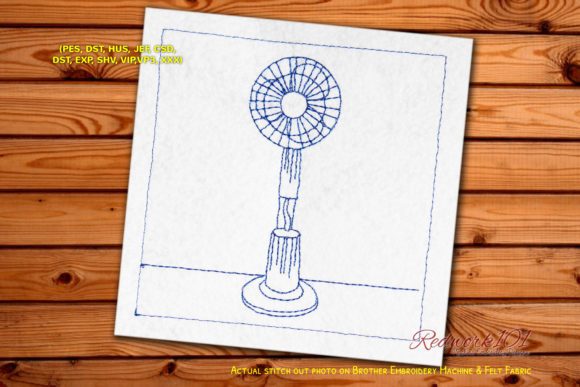
From the moment I previewed Cooling Fan Redwork, its mood struck me as distinctly classic and handmade. The term 'redwork' itself evokes a sense of tradition—a single-color embroidery style that feels both sweet and elegant. This design carries a quiet charm, not overly playful or loudly seasonal, but rather a timeless, romantic simplicity. The detail level appears thoughtfully balanced, offering visual interest without being overwhelmingly dense. For a customer seeking a gift that whispers rather than shouts—a wedding keepsake, a nursery item, a family heirloom—this design speaks directly to that emotional appeal. It feels like a piece of art, not just a decoration.
A Versatile Palette for Personalized Gift Products
The beauty of such a design lies in its versatility. Cooling Fan Redwork is not confined to its Bedroom product category. As an embroidery file, its potential applications are broad and deeply connected to the personalized gift market.
Imagine a baby embroidery project: this design, stitched onto a blanket corner or a pillow cover for a nursery, becomes a gentle, handmade welcome. For wedding gifts, it could adorn a custom tote bag for the bride or a delicate pillow cover as a keepsake. It’s perfect for family keepsakes like personalized towels or aprons, adding a touch of curated craft to everyday items.
For sellers—the Etsy shop owners, craft fair vendors, and small business owners—this is a versatile digital embroidery file. You can create a cohesive product line: embroidered towels, pillow covers, aprons, and blankets all featuring the same elegant motif. It allows for easy custom order previews and consistent branding across your handmade products.
Practical Considerations: Where to Use With Care
Not every design is perfect for every fabric, and a professional test reveals where caution is needed. For Cooling Fan Redwork, several factors come into play.
First, examine the design for any small lettering or delicate details. If present, these areas might require careful hoop placement, a sturdy stabilizer, and slower stitching speeds to maintain clarity.
Textured fabric like thick towels or looped blankets can hide finer lines. Stretchy baby clothes demand excellent stabilization to prevent distortion. Embroidering on curved surfaces, like a tote bag side, might need adjustment to keep the design flat.
Stitching on dark fabric requires thoughtful thread color choice—perhaps a cream or light grey instead of traditional red to ensure contrast. And for products destined for frequent washing—kitchen towels, baby items—you must ensure the stitch density is robust enough to withstand wear without fraying.
Impact on Giftability, Value, and Customer Trust
How does this design translate into a successful small shop product? When a finished item featuring Cooling Fan Redwork is photographed and listed, its handmade quality is immediately apparent. The classic style elevates the perceived value; it doesn’t look mass-produced. This builds customer trust.
The emotional connection is powerful. A buyer looking for a personalized gift—a grandmother wanting a baby blanket, a friend seeking a unique wedding gift—is drawn to the narrative of a carefully chosen, artfully applied design. It feels intentional. This enhances giftability immensely. For your product photography, the clean, elegant lines of the design make for striking images that boost buyer engagement. It tells a story before the customer even reads the description.
Essential Embroidery Notes Before You Stitch
Before running this machine embroidery design on a final product, a few practical steps are non-negotiable.
- Always test on scrap fabric identical to your project material. This reveals how the stitch density interacts with the fabric texture.
- Check thread color contrast on both light and dark fabric mockups. Create simple printable mockups or stitch small samples.
- Confirm the hoop size required. The design description notes that "The Box Stitch shown in the picture is optional. The color of the outer box is a different color in most of the designs unless it is part of the design itself, you can skip the color directly." This suggests there may be optional framing elements. Understand the full design area before choosing your hoop.
- Review stitch density by observing the test run. Too dense? It may stiffen a delicate baby blanket. Too light? It may not hold up on a towel.
- Use the proper stabilizer for your chosen fabric. This is crucial for crisp results.
- Check small details after stitching your test piece. Look for any missed stitches or potential weak points.
- Crucially, confirm commercial licensing before selling finished products. Ensure your digital embroidery file purchase allows for commercial use of the embroidered items you create.
Final Thoughts for the Gift Creator
Cooling Fan Redwork is a design with a warm, classic heart. It’s suited for creators who want to offer gifts of lasting emotional resonance—not just products, but heirlooms and meaningful tokens. Its application across baby embroidery, wedding gifts, and home decor makes it a valuable file for a personalized gift shop’s inventory.
Remember, the optional elements mentioned in the description give you flexibility. You can embrace the full presentation or focus on the core motif to suit your product’s aesthetic. Your success with it hinges on those practical tests: understanding its behavior on different fabrics, with different threads, and under different hoops. Once mastered, it becomes a reliable, beautiful tool for creating custom embroidery that delights your customers and upholds the proud tradition of handmade, personalized craft.