A Real-World Review of Poplar Tree Bluework Embroidery
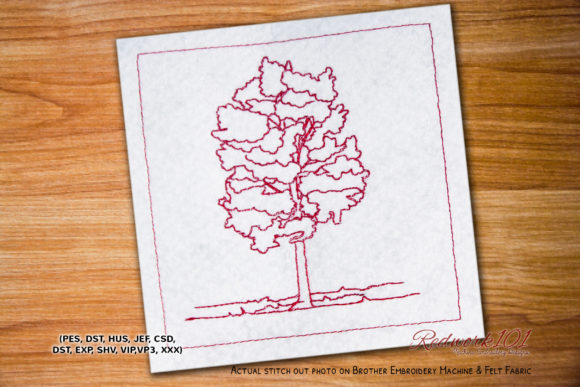
As a designer who relies on embroidery files for real client projects, my first download of a new design is always a practical test. When I saw Poplar Tree Bluework on Creative Fabrica, it immediately struck me as a design with a specific mood. It’s not a dense, photorealistic forest scene, but a cleaner, more illustrative take on a poplar tree. This brings a certain decorative appeal that feels both classic and modern, perfect for projects that need a touch of nature without overwhelming the fabric.
The Visual Personality and Project Fit
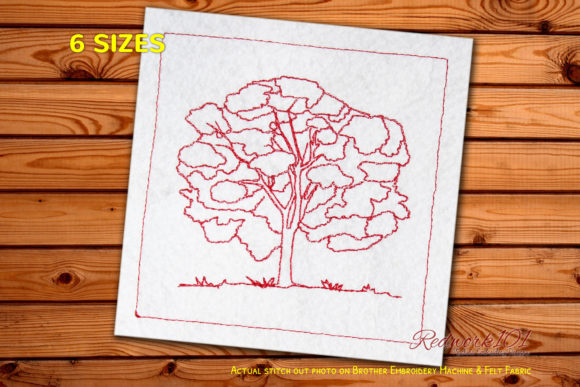
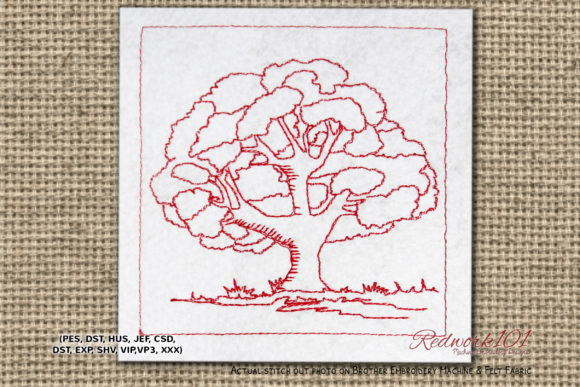
The bluework style implies a focus on line and form, likely using running stitches or satin stitch outlines to create the tree’s shape. The optional box stitch mentioned in the description is a smart inclusion; it gives you a built-in frame if you’re creating a patch or a focused decorative element, but you can easily skip it for a more integrated look on apparel. This flexibility is a huge plus. My mind instantly went to handmade gifts like linen pillow covers, canvas tote bags, or simple cotton aprons. It has a calm, artistic personality that elevates basic home goods or casual apparel.
Performance on Real Products and Fabrics
Thinking about actual production, I considered how this machine embroidery design would perform. For items like sweatshirts or caps, the stitch density seems manageable. Designs with large, solid fill areas can be problematic on stretchy fabrics, but a bluework design often relies on outline and detail stitches, which are generally more stable. I would, however, always test on scrap fabric first, especially for curved surfaces like caps or textured fabrics like towels. The small details, like individual leaves or branches, will need a sharp needle and good stabilizer to remain crisp.
For dark fabric, the color of the thread becomes crucial. The “bluework” name suggests a color scheme, but you can always change the thread colors. I’d recommend creating two simple mockups—one on light and one on dark background—to check contrast before stitching a final product. On a black sweatshirt, a shift to silver or white thread could transform the whole feel.
Affecting Product Value and Customer Trust
Using a well-executed design like Poplar Tree Bluework on your handmade products directly impacts perceived value. Clean, intentional embroidery signals quality to customers. For Etsy sellers or boutique merchandise, this design offers a consistent, recognizable aesthetic for a line of forest-themed goods. It’s giftable because it’s not overly trendy; it has a timeless quality. In product photography, the clear design stands out well, making your listings more engaging. It helps build brand consistency if you pair it with other natural motifs.
Practical Notes for Commercial Use
Before running this embroidery file for a paid order, a few checks are non-negotiable. First, review the actual file details on the Creative Fabrica product page. Confirm the included file formats for your machine and the licensing terms for commercial embroidery. While the description clarifies the box stitch is optional, inspect the design in your software. Look for any extremely small details or tiny lettering that might not stitch well on your chosen hoop size. For smaller items like baby blankets or kitchen towels, a smaller hoop size may be needed, so ensure the design scales down cleanly.
For projects like embroidered patches, the optional box could be a fantastic border. But remember, the note says the outer box color is often different—you can skip that color change entirely to integrate the tree directly into a tote bag design or apron. This design adaptability is a key strength.
Final Thoughts for Creative Entrepreneurs
Poplar Tree Bluework is a design I would confidently use for a mid-range project. It’s not for minimalist, single-line projects, nor for hyper-realistic, dense fills. It sits in a valuable middle ground: decorative, clear, and adaptable. It fits naturally into the forest category for embroidery, but its use extends far beyond. For apparel decorators making seasonal gifts, or digital product sellers creating printable mockups with their design assets, it provides a solid, reliable graphic element.
My advice is to treat it as a versatile component. See it not just as a tree, but as a clean motif you can color-match, frame, or isolate. Download it, open it in your software, and do a dry run on scrap material. Assess its stitch count and density for your specific application—a baby item needs softness, a cap needs stability. That practical test will tell you if Poplar Tree Bluework is the right fit for your next real customer order, transforming a digital file into a finished product that feels both handmade and professionally crafted.