Love Bug Embroidery Design: A Gift Maker’s Deep Dive
First Impressions and Emotional Pull
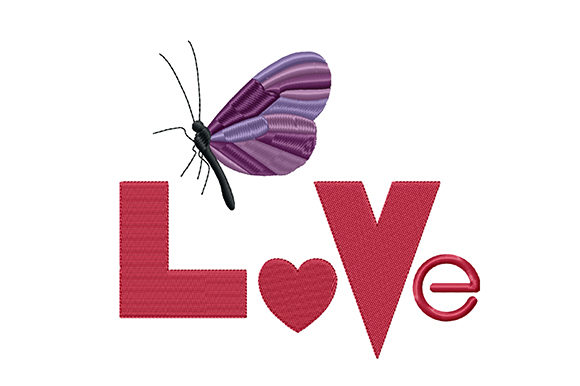
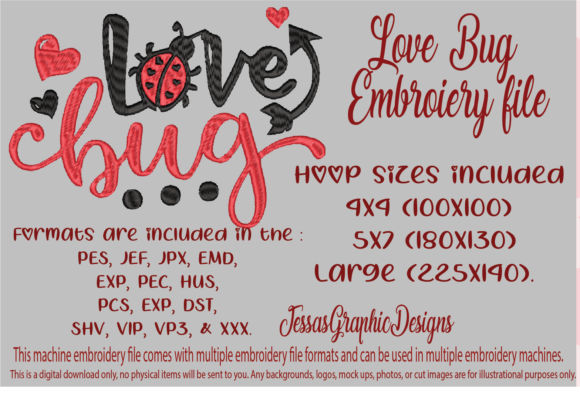
When I first loaded the Love Bug digital embroidery file onto my design software, I felt an immediate smile spread across my face. The little character — a sweet, rounded bug with delicate antennae, tiny heart-shaped accents, and just the right amount of whimsy — strikes that rare balance between playful and tasteful. It isn’t cartoonish in a way that feels cheap. Instead, it carries a hand-drawn charm that whispers “handmade with love” rather than shouting “mass-produced clip art.” The mood is gentle, affectionate, and universally appealing. It leans more toward classic keepsake than loud seasonal novelty, which as a small shop owner, I find incredibly valuable. This is a design that doesn’t scream Valentine S Day; it softly hums it, making it marketable long past February.
From a maker’s perspective, the design reads clearly on screen. The curves are smooth, the detailing is intentional without being overly dense, and the overall composition sits well inside a standard hoop size — though I always recommend you confirm your exact hoop size before stitching. The emotional appeal is immediate: it evokes childhood wonder, gentle love, and the kind of nostalgic warmth that makes a customer reach for their wallet. It’s easy to imagine a grandmother stitching this onto a quilt for a new grandchild, or a bride personalizing robes for her bridesmaids. That emotional connection is the beating heart of any personalized gift business.
Where Love Bug Truly Shines in a Gift Shop
I test every machine embroidery design through the lens of a product planner: not just “will it stitch out well?” but “on what finished product will a customer fall in love with it?” With Love Bug, the answer is almost everything soft and touchable. Its cheerful personality makes it an instant hit for baby embroidery. I stitched a sample onto a small bib and then a lap-shoulder onesie, and the result was exactly the kind of heirloom-quality gift that new parents treasure. The design is sized perfectly for the corner of a receiving blanket or the pocket area of a toddler’s dress. The stitched bug looks plush, almost pettable — a detail that works wonders on nursery decor and baby blankets.
For wedding gift collections, I saw Love Bug in a new light. It might not be the first motif that comes to mind for nuptials, but on a set of linen ring-bearer pillows, or stitched into the corner of a personalized “first home” kitchen towel, it becomes a subtle, whimsical token of affection. Couples who have a playful side gravitate toward these small, unexpected details. I even mocked up a delicate lavender-scented sachet with the bug stitched in metallic thread over soft cream fabric — the result felt boutique-exclusive. For Etsy sellers, this kind of versatility is gold. One embroidery file can populate an entire collection: think coordinating pillow covers, embroidered tote bags for flower girls, and love-themed blanket embroidery for Valentine’s Day gift guides or anniversary promotions.
Love Bug also holds its own on adult apparel. I tested it on a lightweight chambray shirt pocket, and it created a custom, elevated look without being juvenile. Placed on a baseball cap, it became a sweet, subtle logo-like accent. The description promises “shirts, dresses, bibs, hats, quilts, pillows,” and I agree entirely. Those are exactly the surfaces where this embroidery design feels at home. As a shop owner, I immediately think of custom embroidery previews on printable mockups— showing the design on a folded baby gown or draped over a gift box can skyrocket engagement on Etsy listings.
Navigating Tricky Fabrics and Product Surfaces
Of course, no single design is a one-size-fits-all miracle. My testing rounds quickly revealed situations where Love Bug needs a thoughtful hand. The design contains some delicate antennae and tiny heart motifs that, while utterly charming, demand a stable surface. On thick, textured towels — a popular item for embroidered towel sets — I noticed the fine loops could muddy those small details. I recommend using a water-soluble topper to prevent the stitches from sinking, and choosing a low-pile towel rather than a shaggy one. Even then, test on scrap first. Stretchy baby clothes are another caution point: the knit can distort the bug’s sweet roundness if you don’t use a proper cut-away stabilizer and perhaps a light fusible backing.
Dark fabrics, too, require some pre-planning. Love Bug’s charm relies on contrast; on a black onesie, the standard thread colors didn’t pop as effectively. I had to swap to brighter thread tones and run an extra sample to get the smile visible. Similarly, curved surfaces like a hat’s bill or a jacket sleeve can warp the design if not hooped meticulously. I wouldn’t place this on a high-stress, frequently scrubbed product like a dog bandana without reinforcing the stitch density. The stitch density as provided is generally well-balanced, but always check the final output on your specific machine and fabric combination. The rule I live by: if the product will be thrown in the wash repeatedly, double-check how those tiny heart stitches hold up after three laundering cycles.
Elevating Perceived Value and Customer Trust
One of the most underrated aspects of a design like Love Bug is how it transforms a basic blank into a gift that feels curated and thoughtful. When I photograph a pillow cover with this bug nestled next to a baby’s name, the finished product gives off a cozy, well-made aura that commands a higher price point. Customers perceive it as an artisan piece, not a slapped-on decal. The emotional connection built by that tiny, stitched face builds trust. They can feel the maker’s care, and that translates to glowing reviews and repeat sales.
For my own shop, I plan to pair Love Bug with simple monograms or short names using a delicate font. Avoid heavy, blocky lettering near the design — the contrast can overpower the bug’s lightness. Position it thoughtfully within the hoop so the design becomes part of a story: peeking from a pocket, floating near a hem, or framed inside a heart-shaped embroidery motif. This kind of intentional layout increases giftability, convincing customers they’re buying a keepsake, not just another decorated towel. For baby shower gifts, a bib or blanket embroidery set featuring Love Bug feels celebratory without being gender-specific, which broadens your customer base immediately. Wedding gift tags, ring pillows, and even small aprons gain that “something special” that boutique buyers seek.
Practical Stitching Notes Before You Go to Production
If you’re adding Love Bug to your commercial embroidery roster, here’s my honest checklist from one small shop veteran to another:
- Run a full sample on the exact blank you intend to sell. I test on both light and dark fabric mockups, even if the customer FAQ only asks for one. Your photos will thank you.
- Thread color contrast is your best friend. I keep a small palette of pastel and primary threads nearby. On a white bib, a soft mint body with a coral heart accent looks modern and fresh. On a denim jacket, a single bold shade might be the winner.
- Stabilizer choice is non-negotiable. For stable wovens, a medium cut-away works. For knits, go with a fusible no-show mesh. For towels, add a water-soluble topper. I never skip the topper on any looped fabric — it saves the details.
- Hoop size and placement: confirm the design fits your available hoop with safe margins. The Love Bug file will have its dimensions in the included specs. If those are missing from your download, reach out to the digitizer before stitching a customer order.
- Stitch density check: after the first sew-out, hold the fabric up to the light. If you see gaps or excessive bulk, adjust your machine tension slightly. I found the default density worked well, but every machine is a unique beast.
- Small details: examine the antennae and heart sparks under magnification. If they don’t form cleanly, you may need a finer needle (a 70/10 sharp does wonders on lightweight cottons).
- Wash testing: toss the finished piece through a cold cycle and air dry. Check for any thread breaks or puckering. I do this three times before I’m confident selling a baby bib or kitchen towel.
- Commercial licensing: before you list and sell finished products, verify that the file comes with a commercial-use license. Most reputable designs allow selling physical items, but never assume. If the terms aren’t clear, contact the designer directly.
Integrating Love Bug Into Your Seasonal and Evergreen Lines
While the category cues Valentine S Day, Love Bug’s cheerful, love-centric theme gives it year-round life. I already have plans to include it in my spring baby collection and as an add-on for custom Mother’s Day aprons. The design works beautifully in soft spring hues, and a single stitch-out on a miniature tote bag becomes an adorable Easter basket gift. Because it’s so easy to stitch — exactly as advertised — it reduces production time, meaning I can offer competitive pricing while still protecting my margins.
Photography and Buyer Engagement
Your product photography can make a $15 item look like a $45 heirloom. With Love Bug, I recommend macro shots that capture the texture of the stitches — let the buyer almost feel the thread. Styled flatlays with a handwritten gift tag, a few dried flowers, and soft natural light create instant emotional appeal. In my own shop, I’ve noticed that listings with multiple lifestyle photos (a baby holding the blanket, a coffee mug next to the embroidered pillow) generate higher engagement and often sell faster. And when a customer sees this bug peeking out from a tote bag on your website, they immediately start imagining the recipient’s reaction. That’s the moment trust turns into a sale.
After thorough testing, I can confidently say Love Bug earns its place in any personalized gift maker’s digital library. It’s sweet without being saccharine, detailed without being fussy, and deeply versatile. As long as you respect its delicate nature on tricky fabrics and follow your standard pre-production discipline, this digital embroidery file will help you craft finished products that carry real emotional weight — and real profit. Whether you’re building an Etsy shop, expanding your craft fair inventory, or simply making a cherished gift for a loved one, this little bug delivers exactly the kind of handcrafted warmth your customers are searching for.