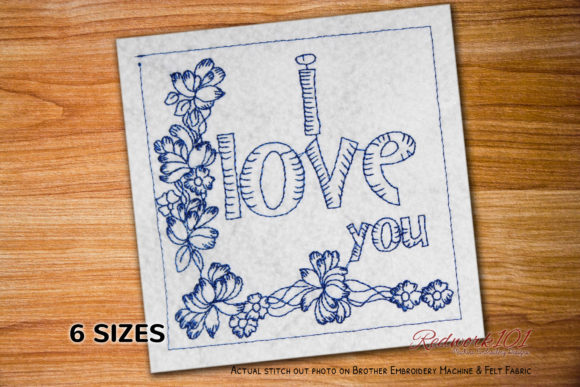
I Love You Pattern: A Designer’s Honest Review for Real Projects
When an embroidery file named simply I Love You Pattern lands in my library, I immediately think about application. It’s not about the digital file on screen; it’s about how those stitches will look on a real fabric, in a real project, for a real client or customer. This is my perspective after years of stitching for my craft business and custom apparel work.
First Impression: Beyond Valentine’s Day
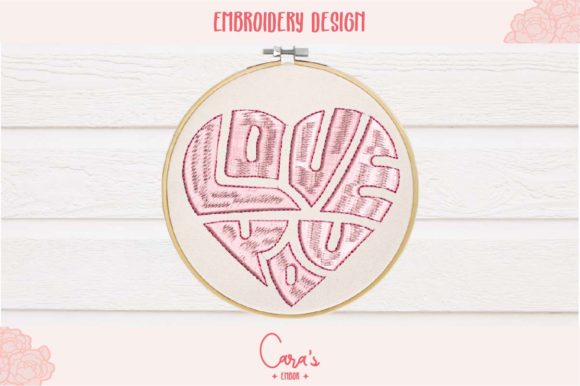
The immediate mood of this embroidery design is clear and heartfelt. Its straightforward message carries a universal, gentle warmth. The layout feels balanced, and the visual personality is friendly rather than overly ornate. This isn’t a dense, intricate piece—it’s a statement design. It naturally belongs to projects where the message is the centerpiece, like a personalized gift or small shop merchandise where emotional connection outweighs complexity.
Where This Design Finds Its Home
In practical terms, I see the I Love You Pattern excelling on certain canvases. Imagine it on a cozy, neutral-colored sweatshirt—the sentiment becomes a wearable hug. On a canvas tote bag, it transforms a utilitarian item into a heartfelt carry-all. For baby embroidery, stitched softly on a blanket or a simple bib, it creates a timeless keepsake. As an embroidered patch, it could be applied to a journal cover or a denim jacket, offering versatility. In a boutique setting, this design on a crisp apron or a linen pillow cover speaks to a thoughtful, handmade brand identity.
Performance in Real Stitching Situations
This design’s relatively clean layout suggests it should stitch out reliably. On custom apparel like t-shirts and sweatshirts, provided you use appropriate stabilizer, the text should remain clear and legible. For products like tea towels or pillow covers, where fabric is less stretchy, you can expect good stitching clarity. When creating digital product previews or printable mockups for an Etsy listing, this design’s strong message helps customers visualize the finished product easily, boosting engagement.
The note about the optional box stitch is crucial for practicality. Skipping the outer box, or changing its color, allows you to adapt the design to your specific project without extra stitch density. This flexibility is a win for craft business owners who need to streamline production.
Scenarios That Require Extra Consideration
Not every project is an ideal fit. On very small hoop sizes, the lettering details might need scrutiny—always test the design on scrap fabric first. On textured or very dark fabrics, achieving perfect thread color contrast is key; a white or light thread might get lost. For items like caps with curved surfaces, the design’s footprint needs to fit the awkward shape comfortably. Products that undergo frequent washing, like baby clothes, demand you review the stitch density to ensure longevity. And for thin fabric, a dense fill area, if present, could cause puckering.
The Impact on Your Product and Customer
From a commercial and creative entrepreneur’s viewpoint, this design affects several layers. Its visual appeal is direct and emotional, which enhances the giftability of any finished product. For an Etsy seller, a well-stitched version of this on a tote bag or sweatshirt photographs well, building customer trust through a clean, handmade presentation. It supports brand consistency for shops centered on love, family, or heartfelt themes. In a crowded craft fair, a product featuring this clear, recognizable message can quickly engage buyers.
A Few Practical Designer Notes
Before committing this to a client project or your production line, here’s my checklist. Always test it in black and white mockups to see how it reads without color. Compare how it looks on light and dark fabric backgrounds—you might need two different color palettes. Inspect the small details in the lettering on your test piece. Use proper stabilizer for your chosen fabric; this is non-negotiable for professionalism. Crucially, confirm licensing before selling finished items or using it as a commercial embroidery asset—the product description doesn’t specify this, so you must verify it. And finally, think beyond Valentine’s Day. This “I Love You” message works for anniversaries, weddings, mother’s day, or just everyday love, expanding its commercial utility.
Final Thoughts: A Straightforward, Versatile Asset
The I Love You Pattern, from an experienced designer’s lens, is a pragmatic and emotionally resonant embroidery file. It won’t overwhelm a project with detail, which makes it reliable for various applications. Its true value is unlocked by the maker’s intention—on a simple kitchen towel, it’s a sweet home detail; on a boutique sweatshirt, it’s a sellable statement. By minding the fabric, the stabilizer, and the licensing, this design can become a trustworthy part of your embroidery project repertoire, helping you create products that feel genuinely thoughtful.