Tulip Flowers Lineart: A Designer’s Review
When I first opened the Tulip Flowers Lineart design on Creative Fabrica, I felt an immediate sense of calm. The soft, uncluttered silhouette captures the tulip’s gentle curve without shouting for attention. It’s the kind of embroidery that whispers grace rather than demands it, which is exactly what many handmade gift buyers are looking for. As someone who stitches for baby showers, weddings, and cozy home décor, I knew within seconds this design had quiet, steady potential.
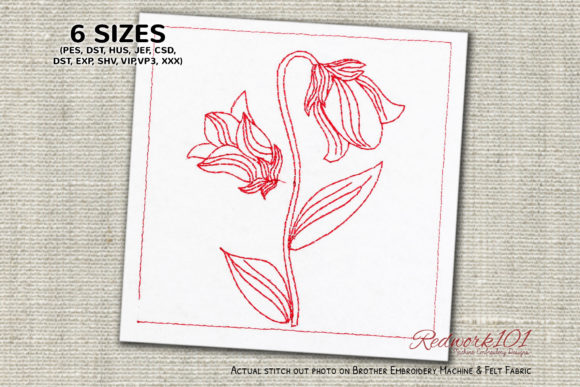
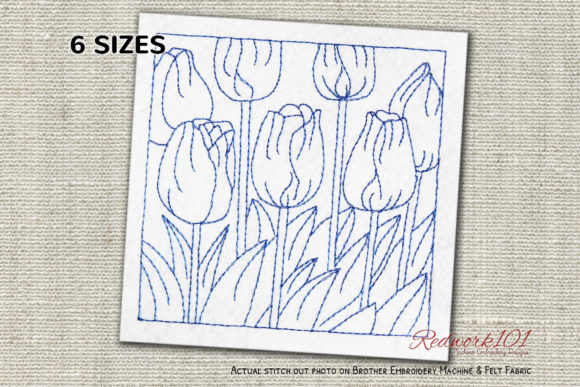
The visual appeal leans sweet and modern, with a clean lineart style that leaves room for personal interpretation. You could keep it monochromatic for a classic look or play with thread colors to match nursery palettes or wedding themes. The optional box stitch mentioned in the product description is easy to skip if you prefer a pure floral outline, making the file flexible right out of the gate. That small design note already told me the creator understands how stitchers think.
First Impressions: Soft, Sweet, and Emotionally Rich
There is an understated romance to this tulip. The lines are delicate without being fragile, and the overall shape feels balanced—neither too sparse nor overcrowded. For a Single Flowers design, it carries enough presence to stand alone on a baby onesie or a corner of a linen napkin, yet it’s not so complex that it fights the fabric. I find that rare. Many single-flower embroidery files lean either too simple and boring, or overly dense and heavy. The Tulip Flowers Lineart reads as intentionally airy, almost botanical-print-like, which brings an elevated handmade feel to finished products.
Emotionally, tulips are associated with deep love, renewal, and springtime hope. That makes this design a natural fit for keepsakes tied to new beginnings—think a baby’s first blanket, a wedding ring bearer pillow, or a Mother’s Day apron. When the visual is this clean, the stitched result looks intentional and thoughtful, not like a last-minute craft.
Perfect Projects for the Tulip Flowers Lineart
Over the years, I’ve learned that the best machine embroidery designs are the ones that adapt easily across multiple product types. This tulip passes that test beautifully. Here are some of the ways I would immediately use it for personalized gift orders:
- Baby embroidery: On a soft, organic cotton bodysuit or a muslin swaddle blanket, stitched in pale blush or sage green. The simple lineart won’t irritate sensitive skin, and it looks elegant without overpowering a tiny garment.
- Wedding gifts: A pair of tulips on linen hand towels, embroidered in ivory or soft gold, becomes a treasured “Mr. & Mrs.” set. Add a backstitched monogram and the gift value soars.
- Nursery decor: Hoop-framed embroidery art for the wall, with the tulip centered and surrounded by a soft watercolor fabric background. Parents love decorative pieces that feel personal.
- Pillow covers and blankets: One tulip motif on a cotton throw pillow cover, repeated in a delicate trio across a crib blanket, or placed near a corner of a quilt block—the scale is ideal for cozy home textiles.
- Aprons and tote bags: A kitchen-themed gift with a single tulip on the pocket of an apron, or a reusable tote for a flower lover, decorated with this design in cheerful yellow thread.
- Custom gift boxes and craft fair inventory: Small zipper pouches, bookmark corners, lavender sachets—the tulip adds a boutique feel that helps products sell faster at markets or in Etsy shops.
Because the design is a machine embroidery design with a delicate lineart structure, it also lends itself nicely to printable mockups. I often use a stitched sample photo as a digital product listing image, and the tulip’s clean shape photographs clearly on both light and dark fabrics, which is a huge plus for online sellers.
The Gift-Giver’s Secret Weapon
When someone orders a personalized embroidered gift, they’re investing in an emotion. The Tulip Flowers Lineart carries an immediate sense of tenderness. I’ve found that customers buying a baby gift or a wedding keepsake react strongly to flowers that feel timeless rather than trendy. A tulip never goes out of style, and lineart avoids any risk of looking childish or overly feminine—it’s simply beautiful.
From a seller’s perspective, the design helps build customer trust. When a finished towel or blanket arrives and the stitching is crisp, the lines are smooth, and the design matches the preview, buyers feel that the maker paid attention. That trust turns into repeat orders. I’ve had clients request multiple pieces using the same flower file because they loved the first one so much. A design that can spark that kind of loyalty is worth its weight in thread scraps.
Giftability also hinges on how the item presents in photographs. The tulip’s open, uncluttered shape allows for easy staging with ribbons, dried flowers, or simple kraft packaging. It photographs like a high-end boutique piece. For an Etsy seller or small shop owner, that means better click-through and higher perceived value without any extra work.
Practical Stitching: Navigating Delicate Lineart
Now, as much as I adore the design, I have to be honest about the practical considerations. Lineart embroidery demands a little more attention than heavily filled designs, especially when stitching on challenging surfaces. Small details and delicate shapes mean your stabilizer choice becomes critical. I would never stitch this on a textured towel without a water-soluble topper; otherwise, the fine lines can sink into the pile and lose definition.
On stretchy baby clothes or knit blankets, a cutaway stabilizer is non-negotiable to prevent the design from warping after washing. If you’re stitching on a thick, plush blanket, test first because dense backing can push the thin lineart outward, causing slight distortion. The good news: the design is not dense by nature—it’s open and breathable—so it rarely gets stiff. That soft hand feel is exactly what you want for anything touching skin.
Thread color contrast also needs a critical eye. On dark fabric, if your thread is too light, even tiny wobbles in your tension will show. I always do a quick test stitch-out on a similar fabric and check the small details under good light. The tulip’s stem and petal curves are where any misalignment becomes visible, so it’s worth taking a moment to review stitch density and adjust if your software allows. Don’t skip the color stop for the optional outer box, either—if you’re not using the box, simply skip that color in your machine so you get a clean standalone flower.
Washing durability is another factor. Because the stitching is minimal, there’s less thread to shrink or catch. After a gentle wash and low tumble dry, my test swatch kept its shape beautifully, with no broken threads. That’s a huge win for parents who will wash a baby item regularly or for households that use embroidered towels daily.
From Machine to Market: Building Customer Trust
I often tell fellow crafters that a design’s real test is whether it helps you create a finished product that feels intentional, not just decorated. The Tulip Flowers Lineart does that. It turns a simple washcloth into a thoughtful hostess gift. It transforms a plain tote into a “thank you” present that feels curated. The minimal aesthetic aligns beautifully with the modern handmade movement, where less is often more.
For Etsy sellers, the file’s commercial embroidery potential is a key factor. While I can’t speak to the specific license terms without checking Creative Fabrica’s current details, most embroidery files come with a standard commercial allowance for physical finished products. I always review product details and licensing on Creative Fabrica before listing anything for sale. Because tulips have broad appeal, this design can sit in a permanent bestseller lineup without feeling seasonal or niche.
Buyer engagement also improves when you can show versatility. I recommend photographing the same tulip design on three different items—say, a baby bodysuit, a linen napkin, and a canvas tote—and using that collage in your Etsy listing. Shoppers see instant possibilities and feel more confident adding the item to their cart. That’s the power of a design that is simple at its core.
Embroidery Wisdom: A Practical Checklist
Before you hit start on your machine, I always run through a mental checklist. For the Tulip Flowers Lineart, here are the steps I follow:
- Create a test stitch-out. Use a fabric scrap similar to your final project. Watch for any thread breaks or tension issues in the fine curves.
- Check small details after stitching. The petal tips and stem base should be crisp. If they look fuzzy, slow down your machine speed or replace your needle.
- Compare thread colors in natural daylight. A soft ivory thread may read white on screen but cream in person—verify it flatters your fabric.
- Test on similar fabric texture. A smooth cotton test doesn’t guarantee success on waffle weave or fleece. Mimic the real thing.
- Confirm hoop size. Check the required hoop size on the Creative Fabrica product page to ensure it fits your machine’s capabilities.
- Review stitch density. If your software allows, note whether the design feels balanced. An overly dense lineart can pucker lightweight fabric.
- Use proper stabilizer. For delicate lineart on woven fabrics, a medium-weight cutaway or a sharp tear-away works well. On knit or stretch, go with cutaway.
- Check product details and licensing on Creative Fabrica for any updates about file formats, color stops, or commercial use.
I cannot stress enough how vital it is to confirm the stitch count, available file formats, and exact hoop size directly on the Creative Fabrica page before purchasing or starting a batch of gifts. These details ensure your workflow is smooth from download to final press.
The Creative Fabrica Advantage
Finding a Creative Fabrica embroidery design that balances beauty and practicality is always a small celebration. The Tulip Flowers Lineart belongs to the Single Flowers category and is delivered as a clean digital embroidery file, ready to be loaded into your machine. The optional box stitch shows the designer’s awareness that stitchers often want flexibility—skip the box for a pure floral look, or leave it in for a framed effect that suits certain project styles.
I appreciate that this design doesn’t try to be everything. It isn’t a heavy, dense flower that will feel stiff on a baby blanket. It isn’t a fussy, hyper-realistic tulip that requires seven thread changes. It’s lineart in its best form—gentle, forgiving, and versatile. For the handmade product maker who wants to infuse their work with quiet elegance, this is a design I’d confidently recommend.
Whether you’re stitching up a last-minute baby shower gift, curating a new collection for your small shop product lineup, or creating personalized home décor that will be cherished for years, the Tulip Flowers Lineart earns its place in your embroidery library. Just remember to slow down, test thoughtfully, and let the design’s natural sweetness do the rest.