Panda Sitting in Flowers Garden: A Designer's Craft Fair Review
First Impression: Soft, Giftable, and Immediately Lovable
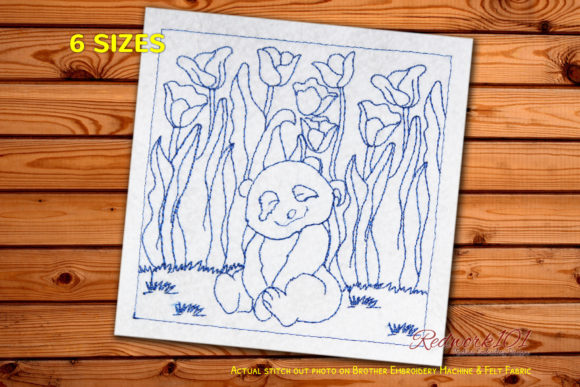
When I first opened the Panda Sitting in the Flowers Garden design file, I smiled. It is the kind of image that makes a browser stop at your craft fair table, pick up a tea towel, and say, "Oh, this is adorable." The composition feels calm, gentle, and slightly whimsical. A panda nestled among blooms reads as peaceful, not childish, which immediately widens its audience. This is not just a kid's design. I could see it working for a nature lover, a panda enthusiast, or someone who simply appreciates soft, decorative accents in their home.
The title says "sitting in the flowers garden," and that visual promise is strong. In my experience, designs that combine a beloved animal with floral elements tend to sell fast in spring and summer markets, but a panda has year-round charm. The note about the optional box stitch is something I appreciate. It tells me the design can be presented two ways: as a clean, freestanding motif, or framed inside a stitched border for a more finished, heirloom look. I always test both options before production because the framed version often elevates a simple zipper pouch into what customers perceive as a premium handmade product.
Where Panda Sitting in the Flowers Garden Shines in a Booth
Over years of selling at weekend markets and pop-ups, I have learned one truth: some designs are made for specific products. The Panda Sitting in the Flowers Garden embroidery file is built for fabric-centric, touchable items. It is not a loud, bold statement piece that screams from across the aisle; it is a quiet magnet that draws people in once they are close enough to see the delicate petal details and the panda's relaxed posture.
Tote Bags and Market Bags: The Hero Product
A natural canvas tote or a soft cotton market bag becomes instantly giftable with this design. I would stitch it centered, without the optional box, at about five to six inches wide. The floral elements spread beautifully and fill the space without overwhelming the eye. For a craft fair, I always hang totes on a pegboard at eye level. This design, in carefully chosen thread colors, catches the light and makes the panda look almost fluffy. It photographs beautifully for Etsy seller listings and social media, especially on natural fabric backgrounds.
Tea Towels and Kitchen Linens: A Reliable Seller
Tea towels are my staple product. The Panda Sitting in the Flowers Garden design, when stitched onto a flour-sack towel or a woven cotton dish towel, creates an instant housewarming gift. I avoid the center placement on towels because the fold line can break the design; instead, I position it slightly off-center toward the bottom edge. That small shift makes the finished towel look thoughtfully designed. Since the box stitch is optional, I often omit it for towels to keep the look light and airy. If the towel has a textured weave, I test a sample first to ensure small leaves and flower petals don't sink into the fabric and lose clarity.
Aprons: A Premium Presentation
An apron with this design commands a higher price. I select a sturdy cotton or linen-blend apron in cream, light sage, or soft gray. Placing the Panda Sitting in the Flowers Garden design on the bib, slightly offset to one side, gives it a boutique kitchen vibe. I add a thin, coordinating trim or a pocket detail, and suddenly it is not just an apron—it is a statement piece. I always bring at least three aprons to a fair, and designs like this sell to people who love to cook but want their kitchen to feel whimsical.
Small Pouches, Pillow Covers, and Giftable Items
This design scales down well for small canvas pouches and zipper bags. I have learned to be cautious with size: if the stitched area drops below about three inches wide, the panda's facial features and tiny flowers may become less defined. I test on scrap fabric, adjusting the hoop size and thread colors for maximum contrast. For a soft pillow cover, a larger version framed by the optional box stitch gives an elegant, illustration-style finish that looks expensive. I display such pillows on a small chair or bench at my booth, inviting people to touch them. The tactile response often seals the sale.
Visual Appeal and Customer Engagement
The Panda Sitting in the Flowers Garden design has a gentle, inviting mood that fits into multiple aesthetics. It can read as cottagecore, woodland nursery, or simply modern nature decor. Because the outer box color varies and is not part of the design itself, I can coordinate the frame thread with my fabric choice, creating a custom, cohesive look per product. That small control matters. I plan my booth display around a soft, earthy palette: cream, moss green, charcoal, and rust. When I place a row of products featuring this design together, they form a mini collection that feels intentional, not random.
Customer attention often follows color and contrast. On a dark fabric, like a charcoal tote, I use lighter thread tones for the panda's body and bright floral hues to make the image pop. I avoid stitching this design on heavy-textured towels or deeply colored fabrics without a detailed test, because the delicate petal edges can lose their crispness. I also watch for stitch density in the flower clusters. Areas where many petals overlap may become stiff if not properly digitized. I always stitch a full sample on a medium-weight cotton to feel the drape before I commit to a product run.
Practical Production Notes from the Embroidery Table
Whenever I review a new machine embroidery design for my handmade product line, I run through a mental checklist. The Panda Sitting in the Flowers Garden design passes most points, but as with any file, careful testing is vital.
- Stitch density and drape: The flower garden sections likely have concentrated stitching. On a tote bag, that is fine; on a lightweight tea towel, I use a no-show mesh stabilizer to prevent puckering and maintain softness. I never skip testing.
- Fabric texture challenges: Avoid highly textured fabrics like waffle weave or thick terry cloth for the smallest flower details. If I must use them, I add a water-soluble topping to keep the stitches sitting on top. The panda's eyes and nose need to stay crisp.
- Small sizes and curved surfaces: For a cap or a curved pouch flap, I reduce the size carefully. I find the sweet spot before the panda's face becomes a blur. Caps are tricky; I would not make this my primary cap design unless I can test the curved placement first. The optional box stitch also needs care on curved surfaces, as a frame can warp awkwardly.
- Hoop size confirmation: I check the file's required dimensions immediately. Some designs look large on screen but fit a 5x7 hoop; others need a larger 8x12. I always confirm before setting up production batches. The optional box will increase the footprint, so I measure both versions.
- Thread color selection: The panda's black and white areas need high contrast. I use a true black and a warm white rather than a bright optic white, which can look harsh. For the flowers, I pull from a palette that matches multiple fabric colors—soft pinks, dusty blues, buttery yellows. This keeps the design versatile across my product line.
Photographing the Design for Online and In-Person Selling
Good photos sell a handmade product before a customer ever touches it. For my Etsy seller shop and my craft fair table cards, I always photograph the Panda Sitting in the Flowers Garden design in situ. A flat lay with a few loose flowers, a styled shot of the tote hanging on a rustic hook, or a close-up of the stitching texture makes the design feel real. I create at least one printable mockup using the digital embroidery file preview to test color combinations on virtual products. That saves time and thread. I also create a finished mockup product—a real item—to show customers the exact quality. The online listing benefits from showing both the framed and unframed versions, because choice increases buyer confidence.
Booth Display and Brand Consistency
At my weekend craft fair booth, I group all Wild Animals designs together, but Panda Sitting in the Flowers Garden acts as a gentle anchor. Its softer floral theme bridges the gap between pure animal designs and botanical designs. This helps my table feel curated. I use natural wood risers, a few small potted plants, and linen fabric backgrounds to create a setting that echoes the design's garden mood. A customer who stops for the panda often stays to browse other items. This design increases dwell time, which is a quiet but powerful way to boost sales.
Batch Production and Repeatability
For a small shop owner, repeatability matters deeply. The Panda Sitting in the Flowers Garden design is not overly complex, which means I can run multiple units in a production session. Once I have thread colors locked in and stabilizer choices proven, I can hoop fabric, stitch, and finish items efficiently. I avoid designs that require constant re-threading for very many color changes if I am producing for a busy market season. This file seems manageable, though the flower shading may add a few stops. I plan accordingly and batch all totes together, then all towels, to streamline my workflow.
Selling Points to Highlight for Maximum Profit
When I talk to a customer at my booth, I emphasize the originality of the Panda Sitting in the Flowers Garden design. It is not a generic clip-art panda; the garden setting and the optional artistic border frame make it feel like a custom illustration. I mention that each piece is stitched by me on quality fabric, and I hand-select threads that complement their chosen item. This personal touch transforms a simple embroidered pouch into a story. I also explain that the box stitch is a design choice—some people love the framed, finished look for a pillow, while others prefer the freer motif for a tote. Offering both options adds perceived value.
Careful-Use Notes for Professional Results
Before you produce items with this digital embroidery file, please run your own tests. The note in the product description about the optional box stitch and varying box color is crucial. I never assume the box thread color matches my vision; I preview it first and adjust my machine's thread accordingly. Also, inspect the design for any tiny lettering or extremely fine elements that could be lost if stitched too small. I always stitch a sample on the exact fabric I will sell, because what works on cotton may pucker on a lighter linen. Stitch density adjustments may be needed on dense flower beds, especially if you are not using the same stabilizer I do.
I also remind myself of commercial licensing. If the design file's terms limit the number of finished products I can sell, I honor that. I always check the commercial embroidery permissions before buying a file for craft fair sales. It protects my small business and respects the digitizer's work. If the information is not clearly provided, I contact the seller. Transparency here is key for a professional small shop product mindset.
Final Thoughts for the Craft Fair Season
The Panda Sitting in the Flowers Garden embroidery design earns its place in my product inventory. It is not the flashiest design on my table, but it is one of the most reliably charming. It performs best on medium to large flat fabric items: tote bags, aprons, pillow covers, and tea towels. It holds its clarity well at typical display sizes, photographs delightfully, and pairs with a wide range of fabric colors. I will definitely stitch a batch for my next market, and I expect those items to move quickly as gifts and self-purchase treats. For any handmade shop owner, this design offers a beautiful balance of cuteness and elegance—exactly what a craft fair shopper is often searching for.