Monogram Candy Applique Pattern: A Boutique Brand's Sweetest Accent
As I prepare a premium sweatshirt drop for a boutique client, every design choice must feel intentional. Opening the Monogram Candy Applique Pattern for review, my first impression is of a playful yet polished decorative motif. The name itself sets a mood—it promises a blend of personalized charm and sugary delight, perfectly aligned for a brand aiming for a “cute but grown-up” aesthetic. This isn't a stark, minimalist logo; it’s a decorative element meant to spark a smile and feel special.
First Impressions: Layout, Mood, and Stitching Personality
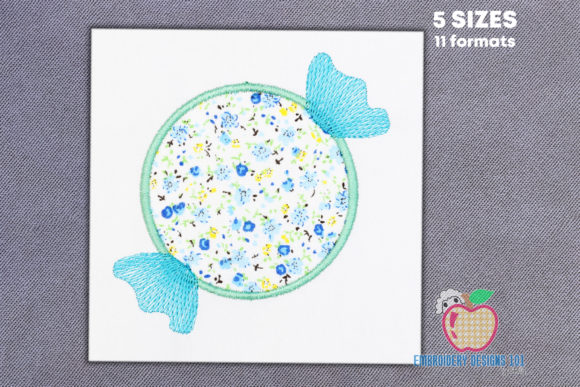
The layout implied by the title suggests a monogram integrated with candy-themed applique shapes. This combination is clever for boutique merchandise. It offers customizability through the initial while anchoring it with a consistent, recognizable decorative theme. For a small shop, this creates a cohesive collection look—each sweatshirt can be unique to the buyer yet unmistakably part of your brand’s line.
The detail level, as noted in the description, is defined by a clear stitch count and size chart. This is crucial. A design with too low density can look sparse on thick sweatshirt fabric, while excessive density can stiffen the garment. The provided PDF worksheet for color changes indicates a thoughtful, step-by-step approach, which speaks to a design built for clarity in production, reducing thread-change errors for my team or even a solo Etsy seller.
Placement & Application: From Hoodie Chests to Sleeve Accents
This machine embroidery design feels naturally suited for chest placement on oversized hoodies or the back yoke of a cozy sweatshirt. The “candy applique” element suggests dimension and texture, which would translate beautifully into a raised, tactile finish on fabric. On a neutral sweatshirt—like oatmeal or cream—the thread colors would pop with a soft, decorative quality. On a dark fabric, such as charcoal or navy, the design would need strong color contrast to maintain readability and that playful vibe; the worksheet will be key here for planning those pops of color.
Consider it also as a sleeve accent or smaller placement on a pocket. The different sizes included allow for versatility. A smaller version could be perfect for a subtle branding touch near the shoulder, while a larger size could be a statement back design. For lifestyle product photography and Etsy listings, this kind of detailed, happy design photographs wonderfully. It conveys a handmade product’s care and personality far better than a plain text logo.
Practical Concerns for Commercial Embroidery
Moving from mood to machine, several practical points come to mind for a custom apparel project. The applique technique involves layering fabric pieces under stitching. On sweatshirt material, which can have a loose texture, my stabilizer choice will be critical to prevent puckering and ensure the edges of those candy shapes stay crisp after multiple washes. Durability is paramount for commercial use; a well-digitized applique design should feel robust.
Thread color contrast against the base garment will define its boldness. On pastel sweatshirts, the palette might need adjustment to avoid blending too softly. The stitch density around the monogram letter needs to be sufficient for clean readability, especially at smaller sizes. I always advise checking the actual stitch count for the smallest included size before committing to a tiny placement—some details might simplify automatically, which is fine, but you want to ensure the monogram remains clear.
A final note: the description confirms sizes are shown, but it doesn’t specify exact hoop size requirements or file formats. As a professional step, I’ll verify the embroidery file formats (like .DST or .PES) compatibility with my machines and that the largest design size fits within my available hoops. This is a reminder for all digital embroidery file buyers: always confirm these technical details with the designer before starting production.
Elevating Brand Identity & Customer Perception
How does the Monogram Candy Applique Pattern affect your brand’s value? For a boutique brand, this design leans into feminine, playful, and decorative qualities without being childish. It suggests a brand that values detail and creates products that feel like special treats. This directly boosts visual recognition—customers remember a charming, unique emblem more than generic text.
In the competitive space of handmade product and small shop product sales, such a design builds buyer trust. It shows investment in quality design assets. A customer receiving a sweatshirt with this intricate, happy embroidery perceives higher care and craftsmanship. It encourages customer engagement—people are more likely to share photos of a “cute” design on social media, amplifying your reach.
For the Dessert category within Embroidery, this pattern hits the theme perfectly without being literal. It’s suggestive, not a direct image of a cake, which allows it to fit into broader lifestyle apparel. It’s versatile enough for seasonal launches (think spring pastels or holiday gift-shop vibes) yet timeless enough for year-round cozy collections.
The Finished Product Vision
Ultimately, reviewing this pattern, I envision a line of premium, casual sweatshirts that feel both cozy and special. The finished embroidered product would have a dimensional, textured focal point that invites touch. In a printable mockup or on the actual garment, the combination of a personal initial with sweet decoration creates an immediate emotional connection—it’s *for* someone. That is the magic small brands need: transforming a basic hoodie into a personalized, branded keepsake.
With attention to the practicalities of fabric thickness, color planning via the worksheet, and stabilizer use, this design has the potential to be a strong, durable asset for commercial embroidery on apparel. It feels premium in its detailing, casual in its cheerful theme, and perfectly aligned for brands building a recognizable, heartwarming identity. My next step is to load the files, study the color change steps, and stitch a test sample on the exact sweatshirt blank we’ve selected—that final stitch will confirm if this sweet pattern is the perfect accent for our drop.